


Coinciding with this year’s Refugee Week, dance filmmaker Sidonie Carey-Green premieres her new film Liminal.
A collaboration with dancer Ismael Nchoutnsu Nsangou and Margate-based composer Hughie Gavin, the film explores the external and internal experience of being watched and judged by others - the mask we put on outwardly, and the internal feelings behind it.
It is being shown as part of Homeward Festival in Folkestone, a new event organised by Common Grounding - an arts organisation that creates and supports community-rooted movement work along the Kent coast. The wider Homeward programme brings together artists with lived experience of displacement and the wider community through film, performance, art, movement and shared meals.
Ahead of the premiere, Sidonie explains the narrative and creative process behind Liminal, and her ongoing work exploring migration and displacement through dance.
What story does the film tell?
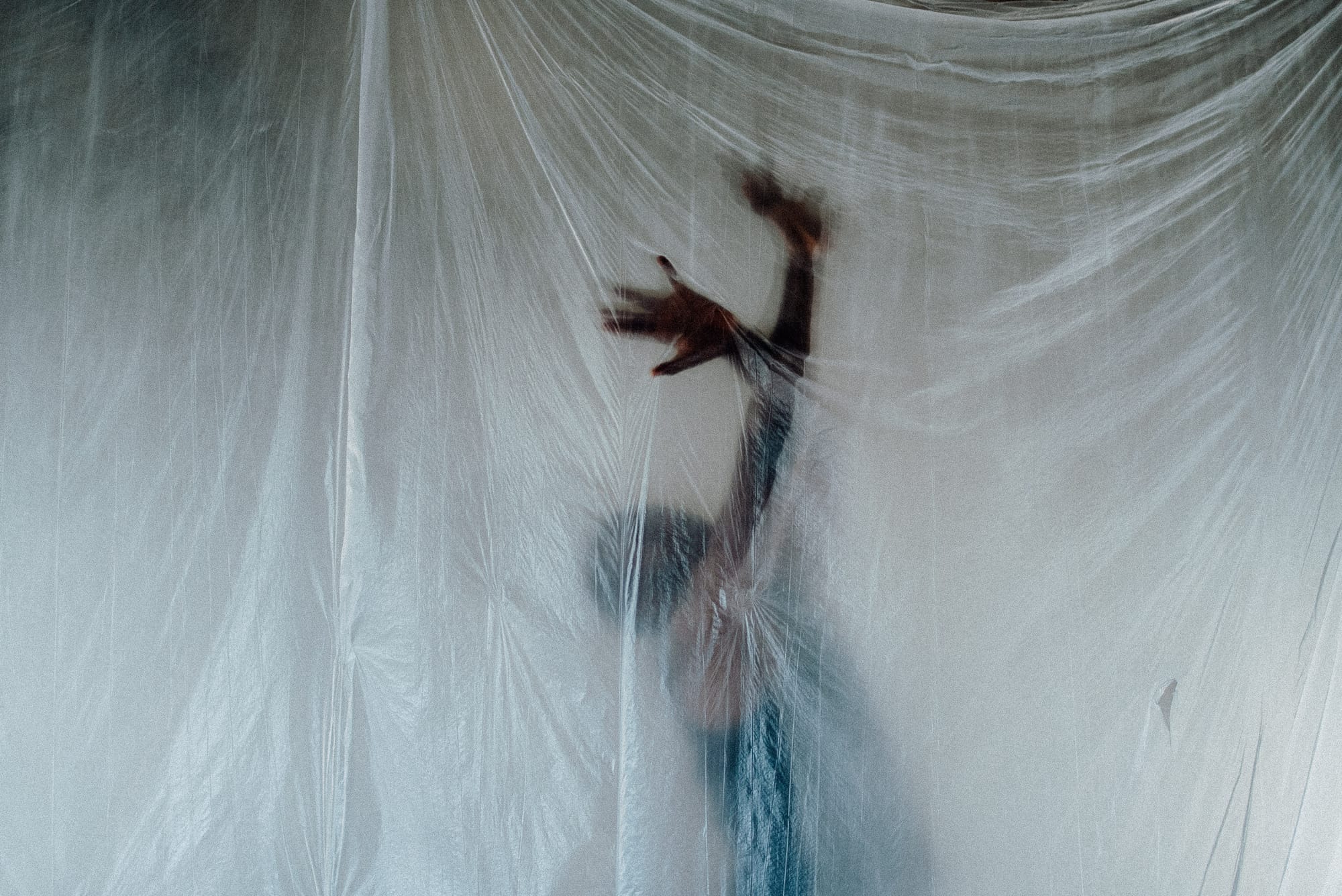
Liminal follows an internal journey through the weight of being seen, judged, and acknowledged. Using contemporary and Bamoun movement, Ismael Nchoutnsu Nsangou explores the duality of being seen: the mask worn for others, and the one that turns inward when you're alone.
How long did it take to create the film and what was the process?
The movement content for the film was made in four intensive days back in February through the residency format. Ismael and I worked in the studio together, generating a series of movement scores which held threads of the story we wanted to tell, and then filmed this all on the final day. I then sent these scores to Hughie, and we worked together to draw out the mood and feeling of each section or score, and he developed an original piece of music for the film. It was great working together!
Have you worked in this way before?
I’ve worked in similar ways before, and scores are very much a part of my practice, but it was interesting going from the language of movement to the language of music, and trying to find the same feeling within the scores between these languages.
How did you come to work with Ismael and Hughie?
I first worked with Ismael on The Body as Data project in 2024 as a participant. We then invited him to join us as a contributing artist the following year, and have been closely following his journey as a sanctuary scholar studying Drama at the University of Kent. Ismael and I have spoken about his interest in movement, and the residency formed out of that interest, as a space to develop his skills and create something together.
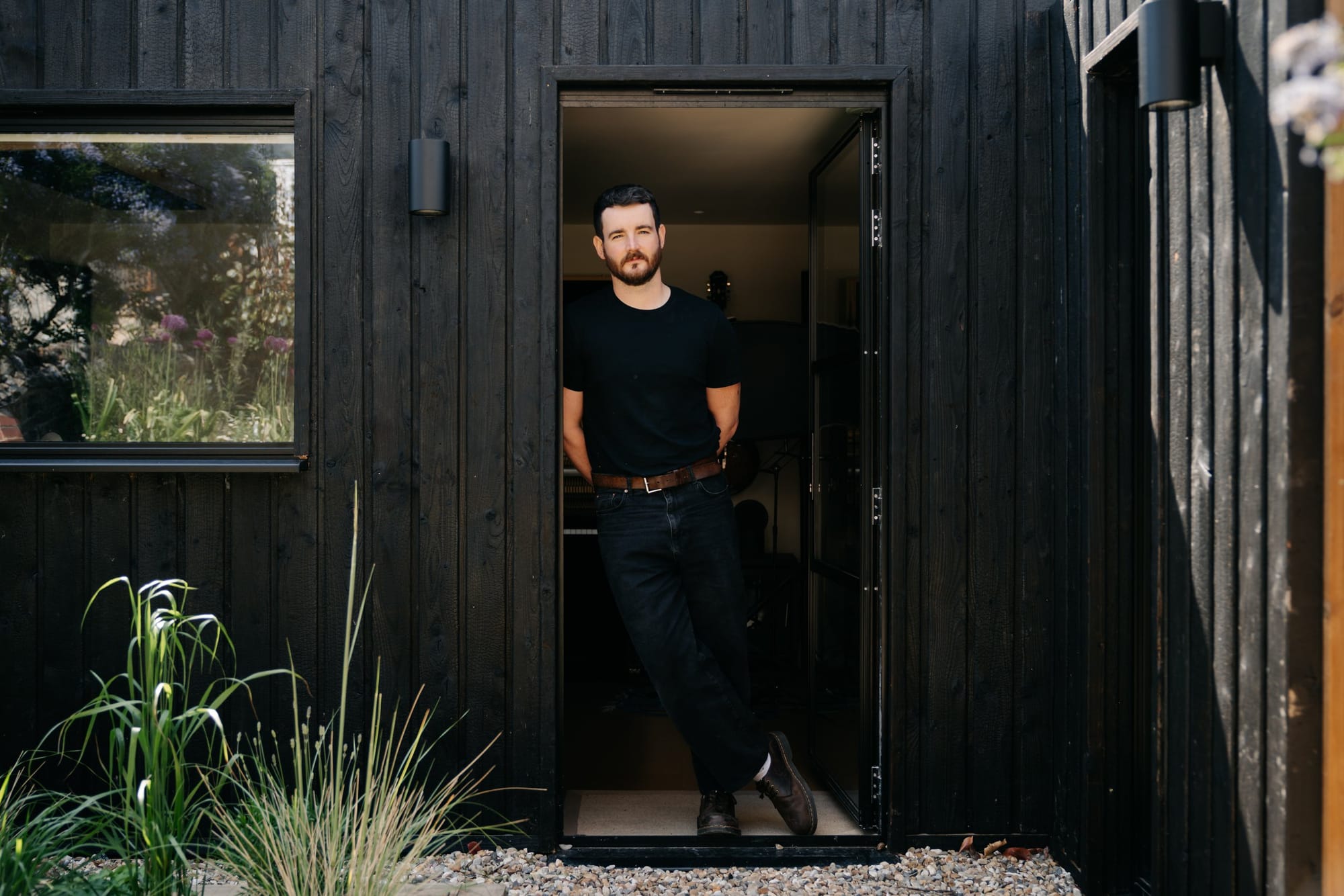
I met Hughie at the Margate Bookie literary festival when we were both on a panel about storytelling. We kept in touch and when this project came up, it felt like a great fit to work together!
 Andy Malt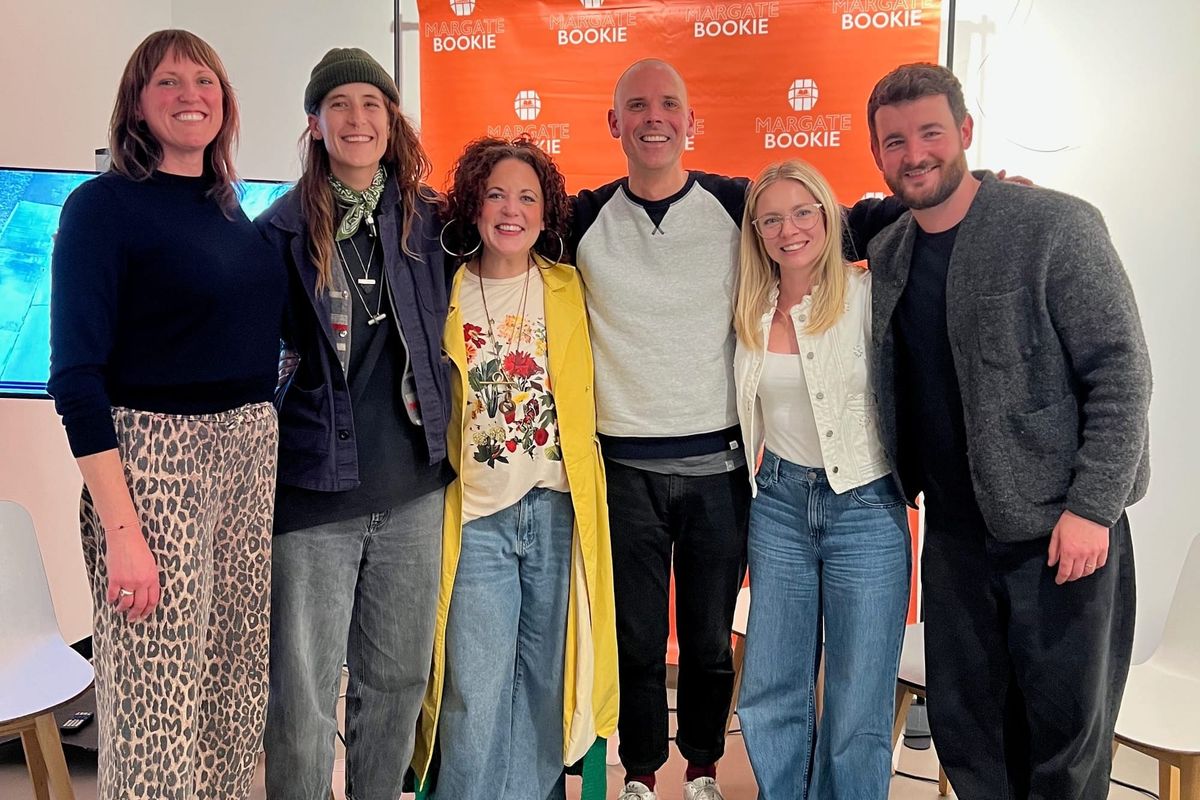
What did they bring to the process?
Ismael is a fantastic performer and actor, and his storytelling abilities brought the film to life in a really unique way. Hughie’s ability to invoke emotion, depth and complexity through his music is such a force. Without the music, this film would not convey emotion in the same way at all.
Where did you shoot it and how did you choose the location?
We shot the film at The Loft Studio in Folkestone. I usually shoot outside on location, but for this film we wanted to play with a more abstract set. We used plastic sheeting as a sort of membrane that represents the liminal state of being outside/inside of one’s own mind, and so the location reflected this sort of between space as well…
Migration and displacement is a theme that runs through your work. How did you come to be so interested in exploring the topic through dance?
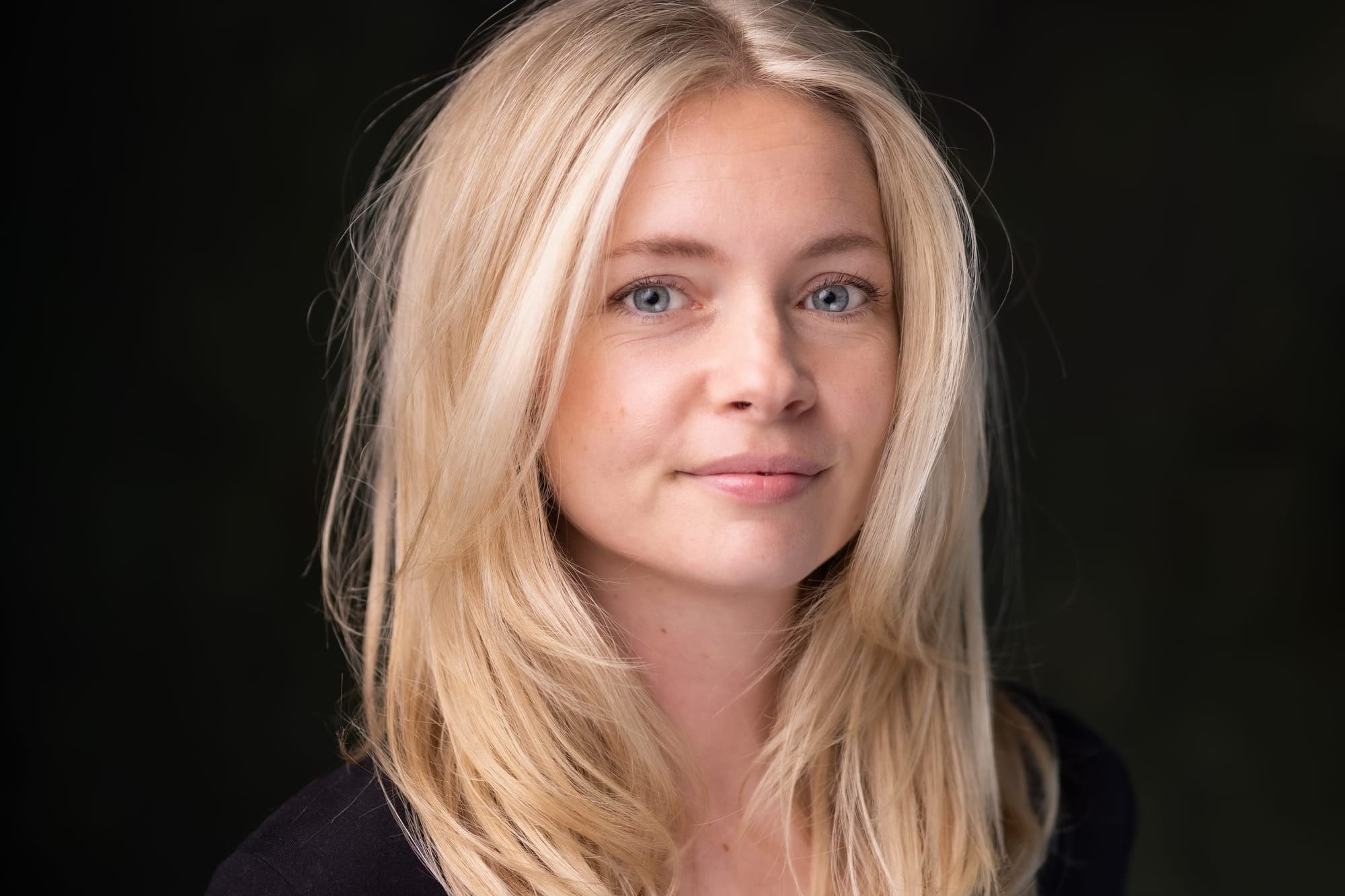
I first became interested in movement and borders when studying for a PhD at Royal Holloway back in 2019. I met Tom Tegento (my now long term collaborator) during this time and we made some work together which explored ideas of surveillance and migration, and this became a big part of my thesis and my work moving forward. I’ve just written a book about this practice, and am still working with Tom (who will be performing at Homeward Festival too).
Moving to Folkestone solidified this as well, as the town is such a microcosm of the UK in terms of people’s views on immigration, of violence and xenophobia, and with the barracks on the edge of the town. You cannot ignore it, and having met and worked with a wonderful group of artists with experience of displacement, we felt it was right to continue this work when starting Common Grounding in late 2025 with myself, Josie Carter and Jodie Cole.
What is the focus of Common Grounding?
Common Grounding prioritises the work and perspectives of those who are or have been refugees and asylum-seekers; those who are currently or formerly on the move; and people of the Global Majority whose history or heritage is from elsewhere.
Common Grounding is also behind the Homeward festival, during which Liminal will premiere. What’s the idea behind the festival?
Homeward is a three day festival in celebration of refugee week, it invites local Folkestone and Kent communities to join us for a programme of dance, film, performance and visual arts, presenting artists and audiences with a unique opportunity to locate themselves in relation to the world.
The idea is that Homeward invites visitors to consider ‘home’ as a matter of positioning. We are super excited to share a weekend of creative works that bring joy, visibility, resistance, and the possibility of transformation, fuelled by our bodies, by movement, and by the land that connects us. We are hoping that this will be the first of many Homeward festivals!

What other projects have you got coming up?
We’re really lucky to have been funded for two projects over the next year.
Firstly, we’ve been funded by the Paul Hamlyn Foundation to carry out a project which explores folk dance/folk movement as a catalyst for a reimagining of Englishness in coastal Kent, which we’re very excited to start soon.
We’ve also just received funds from The Heritage Lottery fund to begin a project in partnership with SOAS university of London which will generate a moving archive for Napier Barracks (asylum accommodation in Folkestone). Folkestone has a long history as a border town and a place of arrival.
For five years, Napier Barracks, now closed, was home to hundreds of people seeking asylum, and generated a remarkable creative and community life. We want to capture some of the history, the legacy, the challenges, and the creative outcomes of the people who passed through or connected with the barracks from 2020-2025.
Liminal premieres at Kollectiv Gallery in Folkestone as part of Homeward Festival on Saturday, June 20. For updates on further screenings, head to the Common Grounding website or follow them on Instagram.


