


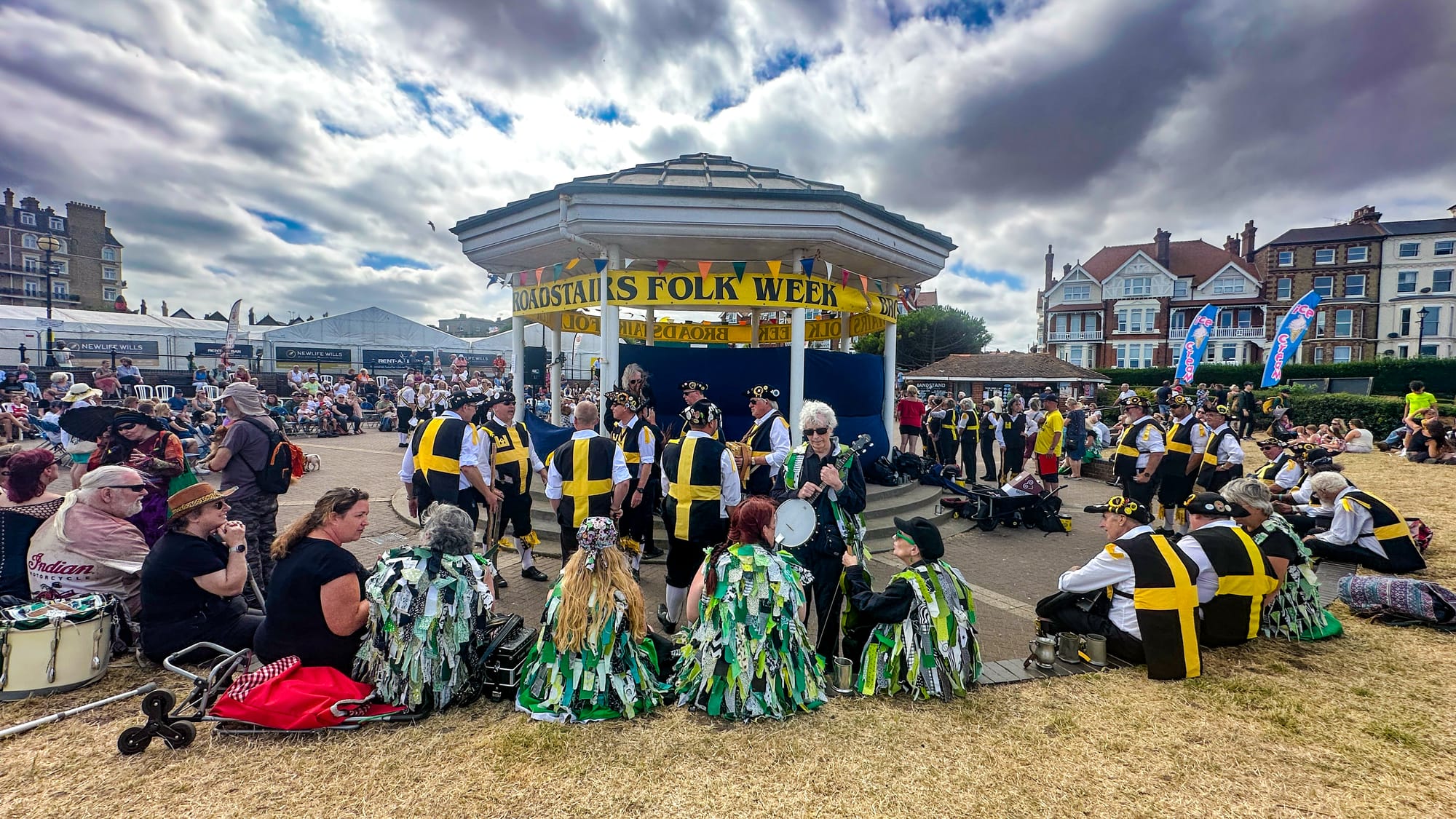
With around 400 events, Broadstairs Folk Week packs a lot in. Running August 7-14, the festival floods the town, taking over venues, pubs, stages, and outdoor spaces with performances, Morris dancers, ceilidhs, poets, camping, drinking, Bollywood dancing, Tai Chi, craft sessions, circus skills workshops and, of course, music.
The line up is overwhelmingly extensive, and covers the full breadth of every corner of the genre. Folk stalwarts like Martin Barre, Jethro Tull’s guitarist of over 43 years, and 60s folk legend Bridget St John appear alongside contemporary artists of the likes of Micheal McGovern and Scottish band Elephant Sessions. Zimbabwean musician Edith We-Utonga, and London arist Ajay Srivastav are among the musicians bringing a global outlook to folk.
There are also more than 27 Morris teams taking part in the festival, at least one ceilidh a day, including jigs for families and a dementia-friendly one too, and a programme of buskers as part of the Busk Stop. And there’s still more.
Powered by three part-time staff and an army of volunteers - some who have been coming since the festival started 61 years ago - Broadstairs Folk Week embodies community spirit and speaks to the diversity within the genre, as Festival Director Kai Hoffman explains.
Strange Tourist: Thinking about the scale of the programme, how much is programmed by the festival and how much of it is letting venues be affiliated with Broadstairs Folk Week (BFW) and letting them do what they want?
Kai Hoffman: Everything that's in our printed brochure and up on our website is programmed by us. However, one of the things that's really amazing and something that we want to embrace more and more over the coming years is the fact that all of the community wants to be a part of Folk Week in their own way. We have a growing fringe community as well that put on various gigs to provide a party atmosphere around the town; in pubs and restaurants, musicians will come down and busk wherever they want on the streets.
ST: You’ve got ceilidhs every day, there’s even Tai Chi and knitting - the festival isn’t just folk music. How important are these events to the festival?
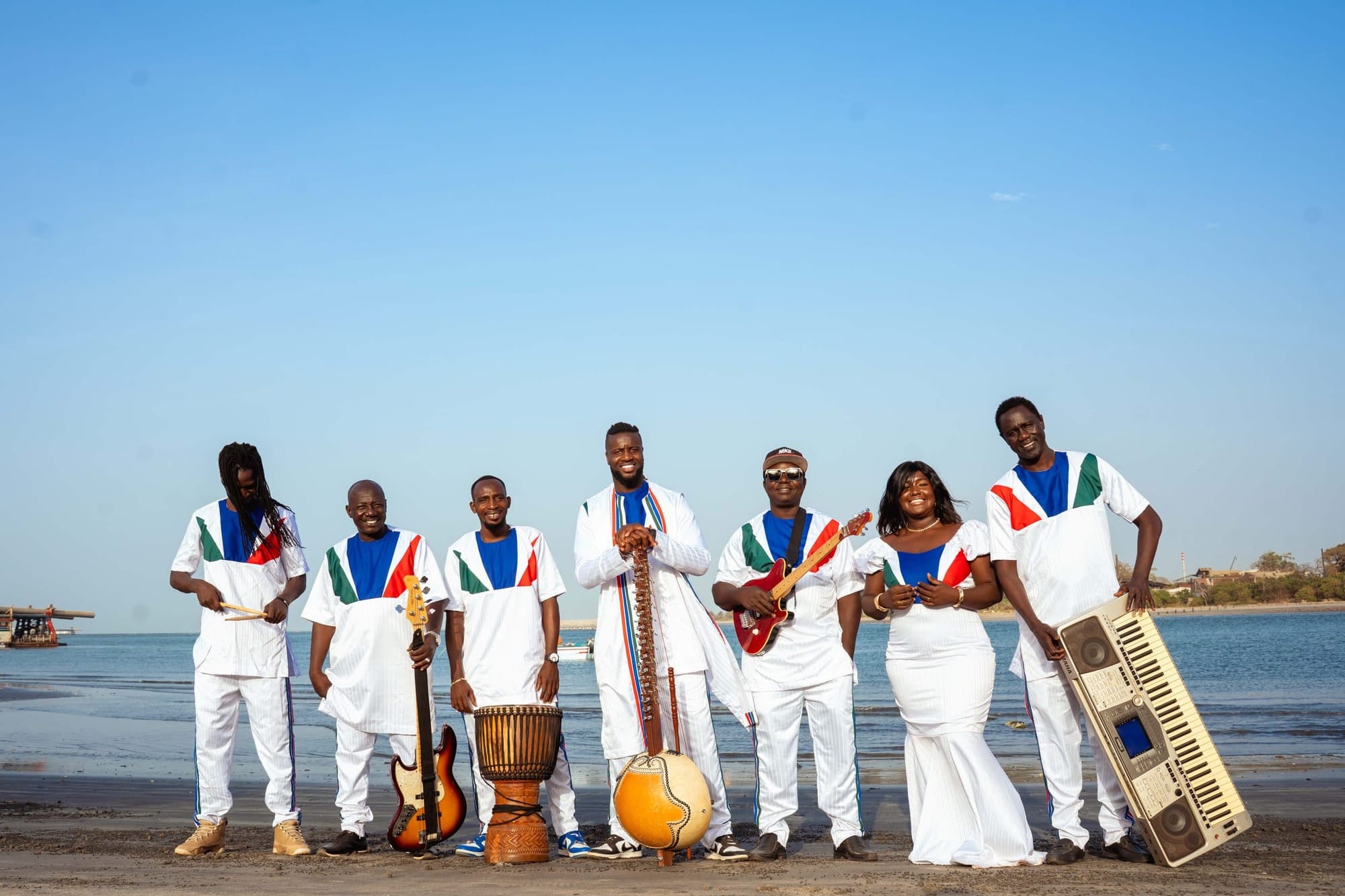
KH: Folk can mean different things to different people. From my perspective, it's about bringing in pieces of that from all over the community and all over the UK, and we've got a lovely global offering as well this year with everything from Bollywood dance to Suntou Susso & The Gambian Superstars. We try to make sure that we get little bits from right across the genre, so there's everything from Americana and country influenced sounds all the way through to traditional sounds like our unaccompanied a capella singing.
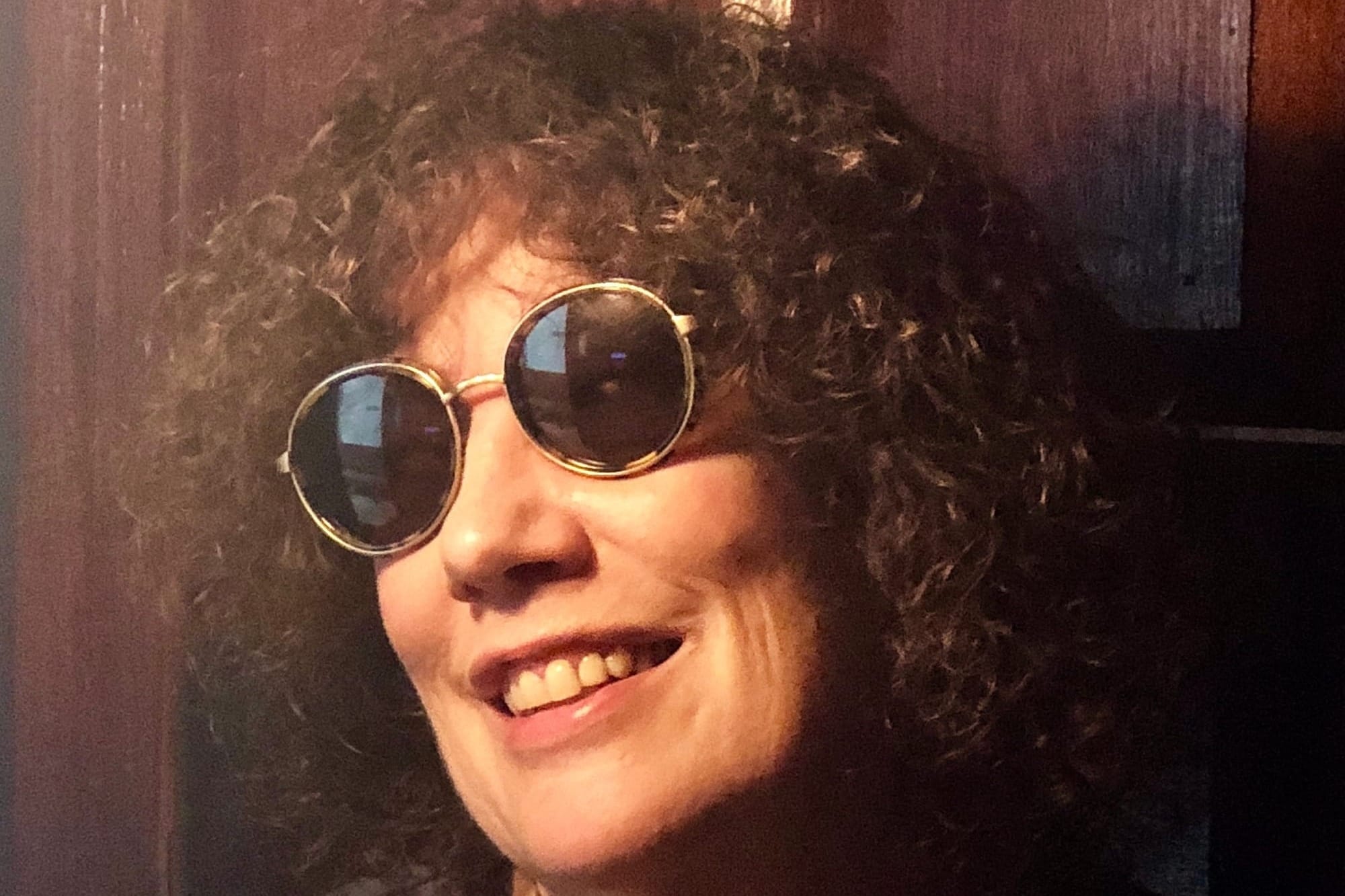
ST: The festival is a broad church of folk that covers a lot of bases. Do you see younger audiences coming to the festival and do you actively try to engage with them?
KH: When I took on the role we created an Introducing stage last year. Obviously, over the decades the festival has run various different programmes, but the fact is that this part of Kent doesn't have those folk families who grow up in the tradition in the same way that other parts of the country do. So one of the main things we're trying to do is encourage young performers to see other performers who are doing folk music in all of its guises as part of their daily lives as young teenagers or 20-somethings. I think it's really important when you're growing up to see people like you performing.
There is a huge variety in what [folk] means. And people care a lot about folk. Folk traditions come from back gardens and people's living rooms, and things that have been passed on through an oral tradition rather than being taught in a school. People care about it in a way that maybe you don't get with other genres.
ST: So to that extent, do you think the festival is also preserving folk culture and heritage as well?
When I took on the role it was very important for me to preserve the essence of this festival because it has been going on for six decades and there are people who know what they want and they want to hear from the traditional side of things.
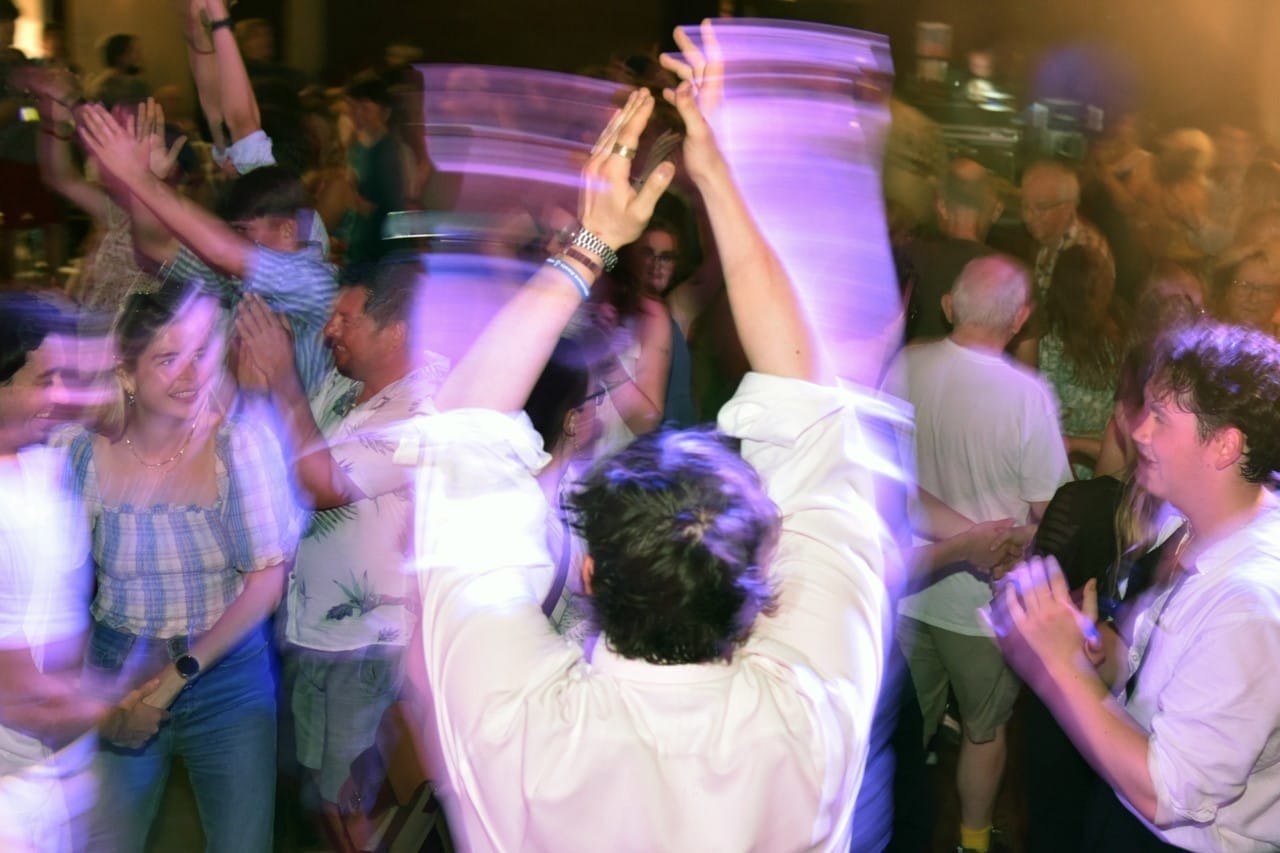
But also, I’ve created a new programme at the Pavilion on the Sands. Our Later at the Pav shows are all with younger, modern bands. They're on the edge of folk; there's folk punk or sea shanties, but with an edge. There's folk rock, electro folk like Elephant Sessions and we have Tankus who are kind of undefinable. We've got some incredible new sounds, it's not just traditional. There’s been a real conscious effort to select things from across folk.
ST: A lot of the performers are not necessarily household names. How would you recommend someone who is not part of the folk scene approach the festival?
KH: People can go onto the Broadstairs Folk Week Spotify. I would definitely recommend putting Spotify on in the background while you're doing something else and just see what catches your ear. This festival is so huge, sometimes it feels a little bit overwhelming. It's like looking at a wall of yogurts and trying to decide which one to buy… that's a terrible analogy, but there's a lot to choose from, so I would recommend doing a little research.
Or you can just rock up. You can just wander up and down the streets and see what takes your ear’s fancy and go in and check it out. As a multi-venue festival, you can literally go to Broadstairs train station, hear some sounds and walk towards it. The whole town turns into this living stage.
ST: It is quite an interactive festival, not just in the way it takes over the town but there are events that people can be active participants in. How important is this interactivity and putting performances on outside usual gig environments?
KH: We're a registered charity and part of our ethos is to spread the word about folk music and educate people in the different styles of folk and how you can join in yourselves. We have interactive singing sessions, there are workshops across singing, dancing, playing. This year, we have a new Relax and Create area up at Bleak House which has a few really special folk art workshops.
ST: Where are some of the more unusual performances locations this year?
Our campsite has late-night sessions that happen where you can buy a drink and hang out. You'll get a folk musician playing a tune, and then someone else will go, oh, I know that tune, and they'll join in, and you'll get like 30 or 40 of them all playing together.
There's another really special event, Shanties on the Jetty. It's been going since the beginning of the festival and with people who have been singing these songs their entire lives. A lot of them are dressed in their Morris gear and they're singing, it's right in the sea practically. There's the restaurant and there's also the spit of land that goes out around the harbour and you're surrounded by the sea and the sand and hearing these shanties. It's really quite special.
ST: You say the jetty shanties have been happening since the start of the festival. Has the festival changed that much in its time?
KH: I would say this festival has grown organically. If you think of like an old Victorian house out in the countryside, it might have had extra rooms added or extensions built and you end up with this sort of crazy, five different tiers of roof going around.
This festival has had some poets turn up and say, Hey, can we do some poetry? And some other people said, oh, well, we'd like to do this session. And someone else said, we'd like to do this kind of dancing. And it's grown kind of naturally over time.
The festival started out as a few folk shows offered per day and it has evolved into having very distinct sections like the Morris dancing, the concerts and the family festival.
ST: Do people come to you with an idea to do, or do you approach people and say would you like to do this kind of event?
KH: It's a bit of both. I have to be quite cautious because I'm an ideas person but you do have to think of the long term, like what is actually going to be involved in making it happen. We love to try out new things within the festival, but we also want to keep the traditional elements. There is scope for new events, but it's important to keep the essential elements.
ST: Is there anything else that you wanted to add?
KH: In this day and age of giant corporations, the fact that this particular festival is still operating independently along with a handful of other festivals in Kent; I think it's really important to know that and support that. A lot of events are put on by multinational promoters so the funds that are created get dispersed all over the world. We bring between 80,000 and 120,000 people a year into the local community, which brings an actual benefit to this town of over £9 million in the course of the week. I think it's important to recognise that this independent charity is working really hard to help keep this community prosperous and happy.
Broadstairs Folk Week runs August 7-14 all across Broadstairs. Events start from free or donation. Visit broadstairsfolkweek.org.uk for more information.


